
 Addiction is often referred to as a family disease because its impact extends far beyond the individual who struggles with substance use. It affects parents, siblings, spouses, and children, often straining relationships and causing emotional pain. Yet, within that same family dynamic lies a powerful force for healing. When families approach recovery with compassion, understanding, and support, they become a vital part of their loved one’s journey to long-term sobriety.
The Role of Family in Recovery
Support from family members provides a foundation of stability that can significantly influence a person’s recovery process. Knowing that they are not alone helps individuals in recovery feel valued and motivated. Families offer emotional encouragement, help reinforce healthy habits, and provide accountability that reinforces the recovery framework.
However, effective support goes beyond simple presence. It requires education, empathy, and the willingness to grow and change together. Families that invest in understanding addiction as a chronic disease—rather than a moral failing—are better equipped to offer meaningful and nonjudgmental support.
Creating a Supportive Environment
1. Open and Honest Communication
One of the most important tools in family recovery is communication. Creating a space where family members can express themselves freely—without fear of criticism or retaliation—builds trust and emotional safety. Regular, honest dialogue allows for the airing of concerns, expression of love, and clarification of expectations.
2. Setting Boundaries with Compassion
While support is essential, it must be balanced with healthy boundaries. Boundaries protect both the person in recovery and their family members from falling into patterns of enabling or codependency. When clearly communicated and respectfully maintained, boundaries foster mutual respect and personal responsibility.
3. Participating in Family Therapy and Support Groups
Recovery often benefits from professional guidance. Family therapy sessions provide a structured environment to address issues like resentment, communication breakdowns, and unresolved trauma. Additionally, support groups like Al-Anon and Nar-Anon offer families the opportunity to connect with others who understand their experiences and can provide encouragement and insight.
4. Celebrating Progress Together
Recovery is filled with milestones that deserve recognition. Families who celebrate achievements—no matter how small—help reinforce the positive changes their loved one is making. Whether it’s 30 days of sobriety or successfully handling a trigger, these moments strengthen motivation and affirm the support system’s role.
5. Practicing Patience and Forgiveness
Recovery is a long-term process, and setbacks can occur. Families that practice patience and strive for forgiveness help reduce shame and promote continued growth. Forgiveness does not mean forgetting the past; it means choosing to focus on the future and healing together.
Conclusion
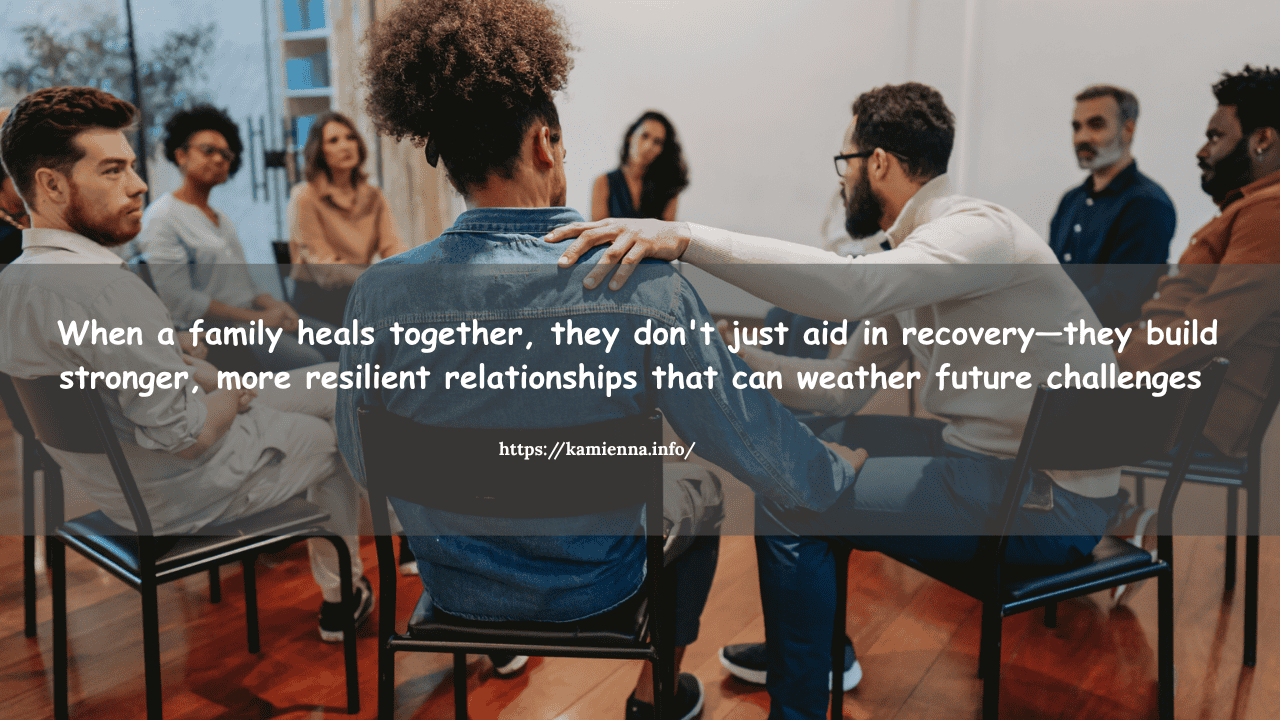
The power of family in addiction recovery cannot be overstated. Through love, understanding, and active participation, families can provide the support needed to help their loved ones reclaim their lives. When a family heals together, they don’t just aid in recovery—they build stronger, more resilient relationships that can weather future challenges. With each step forward, families prove that recovery is not a solitary journey but a shared path of hope and transformation.