
Addiction Help That Brings Families Back Together: A Guide to Lasting Recovery

Addiction has a way of affecting every member of a family. While one person may struggle with substance use, loved ones often experience emotional pain, broken trust, and uncertainty about what the future holds. Families may feel isolated, exhausted, or unsure of how to provide meaningful support. The encouraging news is that recovery is about more than overcoming addiction. It is also about rebuilding relationships, restoring hope, and creating a healthier future together. At Kamienna, we understand that lasting recovery involves the entire family. Through compassionate addiction treatment, mental health care, holistic healing, and personalized treatment plans, individuals and their loved ones can begin moving forward with confidence.

Why Addiction Is a Family Challenge

Addiction changes family dynamics in many ways. Communication often becomes strained, trust is damaged, and everyday life may revolve around managing crises rather than enjoying meaningful relationships. These challenges can leave family members feeling overwhelmed and emotionally drained.

Recognizing addiction as a condition that affects the whole family is an important first step toward lasting recovery. When families heal together, they build stronger foundations for long-term success.

The Emotional Impact on Loved Ones

Parents, spouses, children, and siblings frequently experience anxiety, sadness, frustration, and guilt while supporting someone living with addiction. These emotions are understandable, but they can also affect the family’s overall well-being if left unaddressed.

Professional guidance helps families process these emotions while learning healthier ways to communicate and support recovery.

The Value of Comprehensive Addiction Treatment

Successful addiction recovery involves much more than stopping substance use. It requires addressing the physical, emotional, psychological, and spiritual aspects of healing.

At Kamienna, treatment is personalized to meet each individual’s unique needs. Whether someone requires inpatient care for intensive support or outpatient services for ongoing recovery, every treatment plan is designed to encourage lasting wellness while involving families throughout the healing process.

Addressing Mental Health Alongside Addiction

Many people struggling with addiction also experience anxiety, depression, trauma, or other mental health concerns. Treating these conditions together improves recovery outcomes and helps individuals develop healthier coping strategies.

Integrated care allows clients to understand the root causes of addiction while building emotional resilience for the future.

Practical Ways Families Can Support Lasting Recovery

Families play an essential role throughout the recovery journey. Their encouragement, patience, and involvement often make a meaningful difference in long-term success.

Encourage Professional Treatment

Seeking professional addiction treatment is one of the most important decisions a family can make. Comprehensive care provides medical support, counseling, relapse prevention planning, and therapeutic guidance that families cannot provide alone.

Professional treatment creates a structured environment where healing can begin safely and effectively.

Participate in Family Therapy

Family therapy strengthens communication and helps rebuild damaged relationships. It gives everyone an opportunity to express emotions, understand one another’s experiences, and develop healthier ways of resolving conflict.

As trust gradually returns, families often discover stronger relationships than they believed possible.

Practice Healthy Communication

Recovery thrives in environments built on honesty, patience, and respect. Families can support healing by listening carefully, expressing concerns without blame, and encouraging open conversations.

Healthy communication creates emotional safety while helping everyone feel heard and valued.

Establish Healthy Boundaries

Boundaries help families remain supportive without enabling unhealthy behaviors. They create clear expectations while encouraging accountability and personal responsibility.

Healthy boundaries also protect the emotional well-being of every family member throughout the recovery process.

Embrace Holistic and Faith Based Healing

Recovery involves healing the whole person. Kamienna incorporates holistic and faith-based approaches that complement clinical care by supporting physical wellness, emotional balance, and spiritual growth.

Mindfulness practices, wellness activities, spiritual reflection, and healthy daily routines help individuals and families reconnect with hope and purpose.

Building a Strong Foundation for the Future

Recovery is an ongoing journey rather than a single event. Lasting success comes from continued commitment, supportive relationships, and access to professional resources.

Families who remain involved in treatment, celebrate milestones, and continue practicing healthy communication often experience stronger relationships long after formal treatment has ended.

Every positive step strengthens confidence and reinforces lasting recovery.

Hope Grows When Families Heal Together

One of the most rewarding aspects of recovery is watching families reconnect. As trust returns and communication improves, loved ones often develop greater empathy, resilience, and appreciation for one another.

Although the recovery journey may begin during one of life’s most difficult seasons, it can lead to stronger family bonds and a renewed sense of hope for the future.

Conclusion

Addiction may challenge even the closest families, but it does not have to define their future. With compassionate treatment, personalized care, mental health support, and family involvement, healing becomes possible for everyone affected.

At Kamienna, we are committed to helping individuals and families build lasting recovery through comprehensive addiction treatment, holistic healing, and client-centered care. If your family is searching for hope and guidance, reaching out today can be the first step toward restoring trust, rebuilding relationships, and creating a healthier future together.

From Crisis to Care: How Families Can Navigate Addiction Recovery Together

When addiction enters a family’s life, it often brings uncertainty, emotional pain, and a sense of crisis that affects everyone. Relationships become strained, communication breaks down, and loved ones may feel powerless as they watch someone they care about struggle with substance use. While these challenges are significant, they do not have to define the future. With compassionate treatment, professional guidance, and family involvement, recovery becomes a journey of healing for everyone involved. At Kamienna, we believe that lasting recovery is strongest when individuals and families work together through personalized addiction treatment, mental health support, and holistic care.

Understanding the Family Impact of Addiction

Addiction changes more than an individual’s health. It affects daily routines, emotional well-being, financial stability, and family relationships. Parents, spouses, siblings, and children often carry emotional burdens that can continue long after treatment begins.

Recognizing that addiction is a family issue, not simply an individual struggle, creates a stronger foundation for meaningful recovery.

Families Experience Their Own Healing Journey

Loved ones frequently experience anxiety, disappointment, frustration, and grief. They may question their decisions or blame themselves for circumstances beyond their control. Family members also deserve support, education, and opportunities to heal alongside the person receiving treatment.

Moving From Crisis to Compassion

The transition from crisis to recovery begins with understanding rather than judgment. Addiction is a complex medical condition that often occurs alongside mental health challenges, trauma, or prolonged stress. Compassion allows families to replace blame with encouragement while still promoting accountability.

At Kamienna, every treatment plan is individualized because no two recovery journeys are alike. This personalized approach allows clients and their families to receive care that reflects their unique experiences, strengths, and goals.

Practical Ways Families Can Navigate Recovery Together

Healing relationships requires commitment from everyone involved. The following strategies help families create an environment that supports lasting recovery.

1. Encourage Professional Treatment

Recovery is most successful when individuals receive evidence-based, professional care. Kamienna offers both inpatient and outpatient treatment options, allowing clients to receive the level of support that best fits their needs.

Inpatient care provides a structured setting for intensive recovery, while outpatient programs offer flexibility and continued therapeutic support as individuals transition back into daily life.

2. Participate in Family Therapy

Family therapy creates opportunities for honest conversations in a safe environment. Guided by experienced professionals, family members learn healthier communication skills, rebuild trust, and better understand how addiction has affected their relationships.

Therapy also helps resolve long-standing conflicts while creating practical strategies for moving forward together.

3. Learn About Addiction and Mental Health

Education reduces fear and uncertainty. Understanding the science behind addiction helps families recognize that recovery involves more than simply stopping substance use.

Because addiction and mental health frequently influence one another, integrated treatment is essential. Addressing anxiety, depression, trauma, or other mental health concerns supports more sustainable recovery outcomes.

4. Create Healthy Boundaries

Healthy boundaries protect both the individual in recovery and the family. Boundaries establish clear expectations while encouraging personal responsibility.

Supportive boundaries are rooted in compassion rather than punishment. They help families provide encouragement without enabling unhealthy behaviors.

5. Build New Family Routines

Recovery creates an opportunity to establish healthier habits together. Shared meals, regular conversations, recreational activities, and family traditions help strengthen relationships and replace old patterns with positive experiences.

Small, consistent actions often have the greatest long-term impact.

6. Embrace Holistic and Faith Based Healing

Recovery involves healing the whole person. Kamienna incorporates holistic and faith-based approaches that complement clinical treatment by supporting emotional, spiritual, and physical wellness.

Practices such as mindfulness, wellness activities, spiritual reflection, and healthy lifestyle choices help individuals and families develop resilience while finding renewed purpose throughout recovery.

Supporting Long-Term Recovery

Recovery continues well beyond the completion of a treatment program. Families remain an important source of encouragement during ongoing recovery.

Celebrating milestones, maintaining open communication, and staying engaged with continuing care can help reduce relapse risks while strengthening family relationships over time.

Patience is essential. Healing does not happen overnight, but every positive step contributes to rebuilding trust and restoring confidence.

Hope Grows Through Connection

One of the most encouraging aspects of recovery is watching relationships begin to heal. Families often discover stronger communication, greater empathy, and deeper appreciation for one another after working through the recovery process together.

The journey may begin during a crisis, but with professional support and compassionate care, it can lead to healthier relationships and a renewed sense of hope.

Conclusion

Addiction may create moments of crisis, but it does not have to determine your family’s future. Through personalized addiction treatment, mental health care, family involvement, and holistic healing, families can rebuild trust and move toward lasting recovery together.

At Kamienna, we are committed to helping individuals and families navigate every stage of the recovery journey with compassion, expertise, and individualized care. If addiction has affected someone you love, reaching out today can be the first step toward restoring hope, strengthening relationships, and creating a healthier future for your entire family.

Restoring What Addiction Has Broken: Family-Focused Recovery and Support Strategies

Addiction can leave lasting effects on families, creating emotional wounds, damaged trust, and feelings of uncertainty about the future. When substance use impacts a loved one, the entire family often carries the weight of the struggle. However, broken connections can be repaired, and families can rebuild stronger relationships through compassionate support, understanding, and the right recovery approach. At Kamienna, we believe healing extends beyond the individual. Through personalized addiction recovery, mental health treatment, and holistic care, families can find a path toward restoration and lasting change.

Understanding How Addiction Impacts Families

Addiction is a complex condition that affects every part of a person’s life, including their relationships. Family members may experience stress, fear, frustration, and emotional exhaustion while trying to support their loved one. Over time, these challenges can create distance and make it difficult to communicate effectively.

The Loss of Trust and Connection

One of the most painful effects of addiction is the breakdown of trust. Missed commitments, unhealthy behaviors, and repeated disappointments can cause family members to feel disconnected. While rebuilding trust takes time, consistent actions and professional support can help restore the foundation of healthy relationships.

The Emotional Impact on Loved Ones

Family members often experience their own emotional struggles during addiction. They may feel responsible, overwhelmed, or unsure how to respond. Recognizing that families also need support is an important part of creating a complete recovery plan.

Why Family-Focused Recovery Matters

Recovery is not only about stopping substance use. It is about creating healthier patterns, improving emotional well-being, and rebuilding relationships. A family-focused recovery approach recognizes that healing happens more effectively when loved ones are included in the process.

Supporting the Whole Person and Family System

Kamienna’s approach focuses on individualized care that addresses the unique needs of each person. By combining addiction recovery services, mental health treatment, and holistic support, individuals receive care that focuses on the physical, emotional, and personal aspects of recovery.

Family-Focused Strategies for Restoring Healing

Families can take meaningful steps to rebuild connection and support long-term recovery. While every family’s experience is different, several strategies can help create a stronger foundation.

1. Improve Communication Through Understanding

Healthy communication is essential for rebuilding relationships. Families can begin by listening openly, expressing concerns calmly, and creating space for honest conversations. Communication becomes more effective when it focuses on understanding rather than blame.

2. Participate in Family Therapy

Family therapy provides guidance and structure for addressing difficult topics. With professional support, families can discuss past challenges, process emotions, and develop healthier ways to interact. Therapy also helps family members understand addiction and its impact on relationships.

3. Learn About Addiction Recovery

Education helps families respond with compassion and confidence. Understanding addiction as a medical and psychological condition reduces stigma and helps loved ones recognize the challenges involved in recovery. Knowledge also allows families to provide meaningful support without unintentionally enabling harmful behaviors.

4. Establish Healthy Boundaries

Boundaries are an important part of recovery. They help protect relationships while encouraging responsibility and accountability. Healthy boundaries allow families to remain supportive while also protecting their own emotional health.

5. Support Holistic Healing

Recovery involves more than addressing substance use. Emotional, mental, and spiritual wellness all contribute to lasting change. Kamienna incorporates holistic and faith-based approaches that support deeper healing and help individuals reconnect with their values, purpose, and relationships.

The Importance of Inpatient and Outpatient Care

Every recovery journey is different, which is why flexible treatment options are important. Inpatient care provides a structured environment for individuals who need intensive support during early recovery. Outpatient care allows individuals to continue treatment while practicing new skills in everyday life.

Both approaches can play an important role in helping families adjust, heal, and build healthier routines together.

Rebuilding Stronger Relationships After Addiction

Restoring what addiction has broken requires patience and commitment from everyone involved. Families may face difficult moments along the way, but each step toward better communication, understanding, and support creates progress.

Recovery can become an opportunity for families to grow stronger together. Many families discover that through the healing process, they develop deeper compassion, improved communication, and a renewed sense of connection.

Conclusion

Addiction may create distance within a family, but it does not have to define the future. With family-focused recovery strategies, compassionate care, and professional support, relationships can be repaired and strengthened.

At Kamienna, we are committed to helping individuals and families move forward through personalized addiction treatment, mental health support, and holistic healing. If addiction has affected your family, reaching out for support can be the first step toward restoring connection, rebuilding trust, and creating a healthier future together.

When Addiction Tears Families Apart: Practical Steps Toward Healing and Recovery

Addiction can deeply disrupt family life, often creating emotional distance, broken trust, and ongoing uncertainty about how to move forward. When a loved one is struggling with substance use, families may feel overwhelmed, exhausted, and unsure of how to help without making things worse. However, even in these difficult moments, healing is possible. With the right guidance, support, and compassionate care, families can begin to rebuild trust and move toward recovery together. At Kamienna, we provide individualized addiction treatment, mental health support, and holistic care designed to help families heal as a unit, not in isolation.

Understanding the Impact of Addiction on Families

Addiction affects far more than the individual. It influences communication, emotional stability, and the overall health of family relationships. Over time, families may experience conflict, confusion, and emotional burnout as they try to navigate the challenges of substance use.

Emotional Strain and Stress Within the Home

Family members often experience a wide range of emotions, including fear, frustration, sadness, and guilt. These feelings are understandable, but without proper support, they can lead to strained relationships and increased distance between loved ones.

Breakdown in Communication and Trust

Addiction often disrupts healthy communication patterns. Conversations may become tense, avoided, or reactive. As trust erodes, it becomes more difficult for families to connect and support one another effectively.

Why Healing Requires a Family-Centered Approach

Recovery is not only about the individual. It is about the entire family system. When families are involved in the recovery process, outcomes improve, relationships strengthen, and long-term stability becomes more achievable.

The Importance of Professional Support

Kamienna offers inpatient and outpatient care along with comprehensive mental health treatment. This ensures that individuals receive the level of care they need while families are guided through their own healing process. Professional support provides structure, clarity, and direction during a time that often feels uncertain.

Practical Steps Toward Healing and Recovery

Healing after addiction is a gradual process. It requires patience, commitment, and practical strategies that support both the individual and the family as a whole.

1. Learn About Addiction and Mental Health

Education is a powerful first step. Understanding addiction as a medical and psychological condition helps reduce stigma and encourages empathy. Kamienna integrates mental health treatment into its programs because emotional health is closely connected to addiction recovery.

2. Participate in Family Therapy

Family therapy provides a safe and structured environment where families can address challenges, improve communication, and rebuild trust. With professional guidance, difficult conversations become more productive and less emotionally charged.

3. Establish Healthy Boundaries

Boundaries are essential for creating stability and protecting emotional well-being. They help define expectations, prevent enabling behaviors, and support accountability. When applied consistently, boundaries contribute to healthier and more respectful relationships.

4. Focus on Clear and Compassionate Communication

Open communication is key to rebuilding relationships. Families should aim to listen without judgment, express concerns calmly, and remain patient throughout the healing process. Over time, this helps restore trust and emotional safety.

5. Support Holistic Healing and Wellness

Recovery involves more than physical sobriety. Emotional, spiritual, and mental well-being all play important roles. Kamienna incorporates holistic and faith-based approaches such as mindfulness practices, wellness routines, and values-based support to promote deeper healing for individuals and families.

The Role of Inpatient and Outpatient Care

Different stages of recovery require different levels of support. Inpatient care provides structured, intensive treatment during early recovery, helping individuals stabilize and focus fully on healing. Outpatient care allows individuals to continue treatment while reintegrating into daily life, applying new skills with ongoing support from professionals and family members.

This combination ensures continuity of care and strengthens long-term recovery outcomes.

Moving Forward Together

Healing from addiction is not a quick process, but it is a possible one. Families who commit to learning, communicating, and supporting one another can gradually rebuild trust and strengthen their relationships. Each step forward, no matter how small, contributes to lasting change.

Conclusion

When addiction tears families apart, it can feel like recovery is out of reach. However, with compassionate care, education, and structured support, families can rebuild connection and move toward healing together.

At Kamienna, we are dedicated to guiding individuals and families through every stage of recovery with personalized treatment and compassionate care. If your family is facing the challenges of addiction, reaching out for help can be the first step toward healing, rebuilding trust, and creating a stronger future together.

Helping Families Heal: Compassionate Addiction Support That Restores Connection

Addiction can quietly reshape a family’s world, creating distance where there was once closeness and replacing trust with uncertainty. For many families, the emotional impact can feel overwhelming, especially when they are unsure how to help or where to turn. The truth is that healing is possible, and connection can be restored with the right support. At Kamienna, compassionate, individualized addiction recovery and mental health treatment help families move from crisis toward understanding, stability, and renewed relationships.

Understanding How Addiction Impacts Family Relationships

Addiction is not an isolated struggle. It affects communication, emotional health, and the overall dynamics of the entire family. Over time, families may experience confusion, frustration, and emotional exhaustion as they try to cope with changing behaviors and broken trust.

Emotional Strain Within the Family System

Family members often experience a mix of emotions, including sadness, anger, guilt, and fear. These emotions are natural responses to a difficult situation. However, without support, they can create ongoing tension or distance within relationships.

Communication Breakdown and Misunderstanding

Addiction often disrupts healthy communication patterns. Conversations may become reactive, avoided, or filled with misunderstanding. This breakdown makes it even harder for families to reconnect and move forward together.

Why Compassionate Addiction Support Matters

Compassionate care is at the heart of meaningful recovery. It focuses on understanding the person behind the addiction while also supporting the emotional needs of the family. This approach removes blame and replaces it with empathy, structure, and guidance.

A Family-Focused Approach to Recovery

At Kamienna, treatment is designed to support not only the individual but also the family system as a whole. When families are involved in recovery, outcomes improve, trust begins to rebuild, and relationships become stronger over time.

How Families Can Begin to Restore Connection

Healing does not happen all at once. It is a gradual process that requires intention, patience, and support. Families can take practical steps to begin restoring connection and rebuilding trust.

1. Engage in Open and Honest Communication

Healthy communication is one of the most important foundations of recovery. Families are encouraged to speak calmly, listen actively, and avoid blame. Over time, this creates a safer emotional environment where healing can begin.

2. Participate in Family Therapy and Support

Family therapy provides a structured space to work through difficult emotions with professional guidance. It helps families understand how addiction has affected their relationships and teaches practical tools for rebuilding trust and communication.

3. Learn About Addiction and Mental Health

Education plays a key role in reducing stigma and increasing understanding. Addiction is a complex medical and psychological condition, often connected with underlying mental health challenges. Kamienna integrates mental health treatment into recovery programs to ensure a comprehensive approach to healing.

4. Set Healthy and Consistent Boundaries

Boundaries are essential for emotional safety and long-term stability. They help define expectations, reduce enabling behaviors, and protect the well-being of all family members. Healthy boundaries support accountability while still allowing space for compassion.

5. Embrace Holistic and Faith-Based Healing

Recovery involves more than stopping substance use. Emotional, spiritual, and physical healing are equally important. Kamienna incorporates holistic and faith-based approaches such as mindfulness practices, wellness routines, and values-based support to help families reconnect on a deeper level.

The Role of Inpatient and Outpatient Care in Family Healing

Different stages of recovery require different levels of support. Kamienna offers both inpatient and outpatient programs to meet these needs effectively.

Inpatient care provides structured, intensive support during the early stages of recovery, helping individuals stabilize and focus fully on healing. Outpatient care allows individuals to continue treatment while reintegrating into daily life, applying new skills with the support of family and professionals.

This combined approach ensures continuity of care and strengthens long-term recovery outcomes for both individuals and families.

Moving Toward Lasting Connection

Rebuilding connection after addiction takes time, but progress is always possible. Each conversation, each boundary set, and each step toward understanding contributes to healing. Families that commit to the process often discover not only restored relationships but also stronger emotional resilience than before.

Conclusion

Addiction can create distance, but it does not have to define the future of a family. With compassionate support, education, and structured treatment, families can begin to heal, rebuild trust, and restore meaningful connection.

At Kamienna, we are committed to guiding individuals and families through every stage of recovery with care, respect, and personalized treatment. If your family is struggling with the effects of addiction, reaching out for help can be the first step toward healing together and building a healthier future.

Stronger Together: Compassionate Care Approaches That Help Families Recover from Addiction

Addiction can leave families feeling fractured, exhausted, and uncertain about how to move forward. It often affects communication, trust, and emotional safety within the home. Yet even after deep strain, recovery and healing are possible. When families come together with the right support and compassionate care, they can rebuild relationships, restore trust, and create a healthier future. At Kamienna, we provide individualized addiction recovery, mental health treatment, and holistic care designed to help families heal together, not apart.

Understanding Addiction as a Family Experience

Addiction does not only affect one person. It impacts the entire family system, influencing how people communicate, respond to stress, and relate to one another. Over time, families may experience emotional distance, conflict, or confusion about how to help.

The Emotional Impact on Families

Family members often experience a wide range of emotions, including fear, frustration, guilt, and sadness. These feelings are natural responses to a difficult situation. Without support, however, they can lead to burnout or ongoing conflict. Recognizing these emotional effects is an important part of the healing process.

Communication Breakdown and Its Effects

Addiction often disrupts healthy communication patterns. Conversations may become tense, avoided, or filled with misunderstanding. Rebuilding communication is essential for restoring connection and creating a stable foundation for recovery.

Why Compassionate Care Matters in Recovery

Compassionate care is at the heart of effective addiction treatment. It focuses on understanding, empathy, and individualized support rather than judgment or blame. This approach helps both individuals and families feel safe as they begin the healing process.

A Whole-Family Approach to Healing

Kamienna emphasizes a family-centered approach to recovery. This means supporting not only the individual in treatment but also the family members who are impacted. When families are included in the process, recovery outcomes improve and relationships begin to heal more effectively.

Compassionate Care Approaches That Help Families Recover

Families can take meaningful steps toward healing when guided by structured and compassionate care. The following approaches are central to rebuilding strength together.

1. Family Therapy and Guided Support

Family therapy provides a safe space for open communication. With the support of trained professionals, families can explore past challenges, express emotions, and begin rebuilding trust. This structured environment helps reduce conflict and encourages understanding.

2. Education About Addiction and Mental Health

Understanding addiction as a medical and psychological condition is essential for healing. Education helps reduce stigma and replaces judgment with empathy. Kamienna integrates mental health treatment into its programs, recognizing that emotional well-being is closely connected to recovery.

3. Setting Healthy and Clear Boundaries

Boundaries are essential for maintaining healthy relationships. They help define expectations, reduce enabling behaviors, and protect emotional well-being. When used with compassion, boundaries create structure and stability within the family.

4. Encouraging Consistent and Respectful Communication

Clear communication is one of the most important tools for recovery. Families are encouraged to listen without judgment, speak honestly, and remain patient throughout the healing process. Over time, this helps rebuild trust and strengthen relationships.

5. Integrating Holistic and Faith-Based Healing

Healing involves more than physical recovery. Emotional, spiritual, and mental well-being all play important roles. Kamienna incorporates holistic and faith-based approaches such as mindfulness practices, wellness routines, and values-based support to help families reconnect on a deeper level.

The Role of Inpatient and Outpatient Care

Recovery needs vary from person to person. Kamienna offers both inpatient and outpatient care to meet these needs effectively. Inpatient treatment provides structured, intensive support during early recovery, while outpatient care allows individuals and families to continue healing while maintaining daily responsibilities.

This combination ensures continuity of care and strengthens long-term recovery outcomes for the entire family.

Moving Forward as a Stronger Family

Recovery is not a single event. It is a process that takes time, patience, and commitment. Families may face setbacks along the way, but each step forward contributes to healing. With the right support, families can move from pain and disconnection toward understanding and strength.

Conclusion

Families affected by addiction do not have to face recovery alone. With compassionate care, structured support, and a commitment to healing together, it is possible to rebuild trust and restore meaningful relationships.

At Kamienna, we are dedicated to helping individuals and families recover through personalized addiction treatment, mental health support, and holistic care. If your family is struggling with the impact of addiction, reaching out for professional help can be the first step toward becoming stronger together and building a healthier future.

Reconnecting After Addiction: A Guide to Healing Broken Family Relationships

Addiction can strain even the strongest family bonds, often leaving behind hurt feelings, broken trust, and emotional distance. Yet disconnection does not have to be permanent. With time, support, and intentional effort, families can begin to heal and rebuild meaningful relationships. Reconnection after addiction is not about forgetting the past. It is about understanding it, learning from it, and creating a healthier future together. At Kamienna, we provide compassionate addiction recovery and mental health treatment designed to support both individuals and families through every stage of healing.

Understanding the Impact of Addiction on Relationships

Addiction often changes how people communicate, behave, and relate to one another. Over time, this can create emotional wounds that feel difficult to repair. Families may experience mistrust, anger, confusion, or sadness as they try to make sense of what has happened.

Emotional Distance and Broken Trust

One of the most difficult outcomes of addiction is the breakdown of trust. Repeated disappointments or unpredictable behavior can cause family members to withdraw emotionally. Rebuilding trust takes time, consistency, and honest communication.

Communication Breakdown

Addiction can also disrupt healthy communication patterns. Conversations may become tense, avoided, or reactive. Without guidance, families may struggle to express their needs or listen to one another effectively.

Why Reconnection Is Possible

Although addiction can cause deep strain, healing is always possible. Recovery creates an opportunity for individuals and families to grow, learn, and rebuild stronger relationships than before.

The Role of Professional Support

Structured treatment plays an essential role in reconnection. Kamienna offers inpatient and outpatient care, along with individualized mental health treatment, to support recovery at every stage. When professional care is combined with family involvement, healing becomes more stable and sustainable.

A Guide to Healing Broken Family Relationships

Rebuilding relationships after addiction requires patience, commitment, and practical steps. Families can take meaningful actions to support reconnection and long-term healing.

1. Begin With Honest but Gentle Communication

Reconnection starts with open communication. This means speaking honestly while also being respectful and calm. It is important to focus on listening and understanding rather than blaming or revisiting conflict.

2. Participate in Family Therapy

Family therapy provides a safe environment to work through difficult emotions with professional guidance. It helps families understand the impact of addiction, improve communication, and rebuild trust in a structured and supportive setting.

3. Learn About Addiction and Mental Health

Education is a powerful part of healing. Understanding addiction as a medical and psychological condition helps reduce stigma and increases empathy. Kamienna emphasizes integrated mental health treatment because emotional well-being is closely connected to addiction recovery.

4. Rebuild Trust Through Consistency

Trust is not rebuilt through words alone. It is restored through consistent actions over time. Small, reliable behaviors such as following through on commitments and maintaining open communication help repair damaged relationships.

5. Set Healthy Boundaries

Boundaries are essential for emotional safety. They help define expectations and protect both the individual in recovery and family members. Healthy boundaries support respect and reduce unhealthy patterns that may have developed during addiction.

6. Support Holistic Healing Together

Recovery is not only physical. Emotional, mental, and spiritual healing are equally important. Kamienna incorporates holistic and faith-based approaches such as mindfulness practices, wellness routines, and values-based support to help families reconnect on a deeper level.

The Role of Inpatient and Outpatient Care in Family Healing

Different stages of recovery require different levels of support. Inpatient care provides structure and stability during early recovery, while outpatient programs allow individuals to apply new skills in real life with ongoing support. Both approaches encourage family involvement and help strengthen long-term healing.

When families stay engaged throughout treatment, the chances of successful reconnection increase significantly.

Moving Forward Together

Reconnecting after addiction is a gradual process. It requires patience, understanding, and ongoing effort from everyone involved. While challenges may arise, each step forward brings families closer to trust and stability.

Conclusion

Healing broken family relationships after addiction is possible. Through communication, therapy, education, boundaries, and professional support, families can rebuild trust and create stronger connections than before.

At Kamienna, we are committed to helping individuals and families heal together through compassionate, personalized addiction recovery and mental health care. If your family is navigating the impact of addiction, reaching out for support can be the first step toward meaningful reconnection and lasting recovery.

Addiction Recovery Starts at Home: How Families Can Support Lasting Change

Addiction recovery is often seen as something that happens in clinics, treatment centers, or therapy rooms. While professional care is essential, lasting recovery frequently begins at home. Families play a powerful role in shaping the environment, habits, and emotional support systems that help someone sustain long-term change. When guided with the right tools and understanding, the home can become a foundation for healing rather than stress. At Kamienna, we combine compassionate addiction recovery, mental health treatment, and individualized care to support both individuals and families on the journey toward lasting recovery.

Why the Home Environment Matters in Addiction Recovery

The home environment is where most daily routines, relationships, and emotional interactions take place. Because of this, it has a direct influence on recovery outcomes. A supportive and structured home can encourage stability, while a chaotic or tense environment may increase stress and risk of relapse.

The Family’s Influence on Recovery Outcomes

Families are often the closest support system for someone in recovery. Their attitudes, communication style, and consistency can significantly impact motivation and progress. When families are informed and involved, individuals in recovery tend to feel more supported and less isolated.

Creating Stability and Predictability

Recovery thrives in environments where there is structure and consistency. Simple routines, clear expectations, and calm communication help reduce uncertainty and create a sense of safety at home.

How Families Can Support Lasting Change at Home

Families do not need to be experts to make a difference. Small, intentional actions can have a meaningful impact on recovery progress.

1. Learn About Addiction and Mental Health

Understanding addiction as a medical and psychological condition is essential. Education helps reduce stigma and allows families to respond with empathy instead of frustration. Kamienna emphasizes the importance of integrating mental health treatment into addiction recovery, since both are often closely connected.

2. Encourage Professional Treatment and Continued Care

While support at home is important, professional treatment provides the structure needed for recovery. Kamienna offers both inpatient and outpatient care, allowing individuals to receive the right level of support based on their needs. Families play a key role in encouraging continued participation in treatment and therapy.

3. Build Healthy Communication Habits

Communication is one of the most important tools in recovery. Families should focus on listening without judgment, expressing concerns calmly, and avoiding blame. Over time, respectful communication helps rebuild trust and emotional connection.

4. Set Clear and Supportive Boundaries

Boundaries are not about punishment. They are about creating safety and structure. Clear boundaries help prevent enabling behaviors while also protecting the emotional well-being of all family members. Healthy boundaries support accountability and encourage positive change.

5. Support Emotional and Holistic Healing

Recovery involves more than physical abstinence. Emotional and spiritual healing are equally important. Kamienna integrates holistic and faith-based approaches that may include mindfulness practices, wellness routines, and values-based support. These tools can help families reconnect and find meaning in the recovery journey.

6. Focus on Progress, Not Perfection

Recovery is not a straight path. There will be progress, setbacks, and learning moments. Families can support lasting change by recognizing small improvements and encouraging continued effort rather than focusing only on challenges.

The Connection Between Home Support and Professional Care

Home support works best when it is connected with professional treatment. Kamienna’s individualized approach ensures that care plans are tailored to each person’s needs. Inpatient programs provide structured stabilization during early recovery, while outpatient care allows individuals to practice coping skills in real-life settings with family support.

When families and treatment providers work together, recovery becomes more stable and sustainable.

Moving Forward Together

Addiction recovery is not a solo journey. It is a shared process that involves healing relationships, rebuilding trust, and creating healthier patterns at home. Families who learn how to support recovery effectively often experience stronger communication and deeper emotional connection over time.

Conclusion

Addiction recovery truly starts at home, where daily interactions and relationships shape long-term outcomes. With education, healthy communication, clear boundaries, and professional support, families can become a powerful force in lasting recovery.

At Kamienna, we are committed to helping individuals and families navigate this journey with compassion and expert care. If your family is facing the challenges of addiction, reaching out for support can be the first step toward meaningful change, healing, and a stronger future together.

Finding Your Way Back: Proven Support Strategies for Families Facing Addiction

Addiction rarely exists in isolation. It reaches into every corner of a family’s life, shaping emotions, relationships, and daily routines. When a loved one struggles with substance use, the entire family feels the impact. Yet even in the midst of stress and uncertainty, healing is possible. With the right support, families can rebuild trust, restore connection, and move forward together. At Kamienna, compassionate, individualized care helps both individuals and families find a path toward lasting recovery and renewed strength.

Understanding How Addiction Impacts the Whole Family

Addiction affects not only the person using substances but also those closest to them. Families often experience emotional strain, communication breakdowns, and a loss of stability. Over time, these challenges can create distance and confusion within relationships.

Emotional and Relational Strain

Loved ones may feel anger, fear, guilt, or helplessness. These emotions are natural, yet they can lead to conflict or withdrawal if not addressed. Children may feel uncertain or anxious, while partners may struggle with trust. Recognizing these effects is the first step toward healing.

Disrupted Communication Patterns

Addiction often changes how families communicate. Conversations may become tense, avoided, or filled with misunderstanding. Without open dialogue, it becomes difficult to rebuild connection and trust.

Why Family Involvement Is Essential in Recovery

Recovery is not just an individual process. It becomes more effective when families are involved in a meaningful and supportive way. A strong support system can improve outcomes and create a more stable foundation for long-term recovery.

Building a Supportive Environment

Families who learn to communicate with empathy and set healthy boundaries create an environment where recovery can thrive. This support helps individuals stay engaged in treatment and build confidence in their progress.

Encouraging Accountability and Growth

Family involvement encourages accountability in a positive way. When support is consistent and respectful, it helps reinforce healthy behaviors and long-term change.

Practical Ways Families Can Heal and Rebuild Together

Healing together requires intention, patience, and the right tools. Families can take practical steps to support recovery and rebuild stronger relationships.

1. Participate in Family Therapy

Family therapy offers a structured space to address challenges and rebuild trust. Guided by experienced professionals, families can explore the impact of addiction, improve communication, and develop healthier relationship patterns.

2. Learn About Addiction and Mental Health

Education is essential for understanding addiction as a complex medical and psychological condition. When families understand triggers, relapse risks, and emotional challenges, they are better equipped to respond with compassion and support.

3. Establish Healthy Boundaries

Boundaries create clarity and stability. They help define what is acceptable and prevent behaviors that may enable substance use. Healthy boundaries protect both the individual in recovery and the family as a whole.

4. Focus on Consistent Communication

Open and respectful communication is key to rebuilding trust. Listening actively and expressing concerns calmly can reduce conflict and strengthen emotional connections over time.

5. Embrace Holistic and Faith-Based Healing

Healing involves more than stopping substance use. Emotional and spiritual well-being also play important roles. Kamienna incorporates holistic and faith-based approaches such as mindfulness, wellness practices, and spiritual guidance to support deeper healing.

The Role of Inpatient and Outpatient Care

Kamienna offers both inpatient and outpatient programs to meet individuals and families where they are. Inpatient care provides structured, intensive support during early recovery, while outpatient care allows families to continue building healthy routines and communication skills in daily life. This flexibility ensures that support remains consistent throughout the recovery journey.

Moving Forward as a Family

Rebuilding after addiction takes time. Progress may feel slow at times, but each step forward matters. As families practice healthier communication, set boundaries, and support one another, trust begins to return. Over time, what once felt broken can become a source of strength.

Conclusion

When addiction affects everyone, healing must involve everyone. Families have the ability to move from disconnection to unity through compassion, education, and structured support. Recovery is not only about sobriety. It is about restoring relationships, rebuilding trust, and creating a healthier future together.
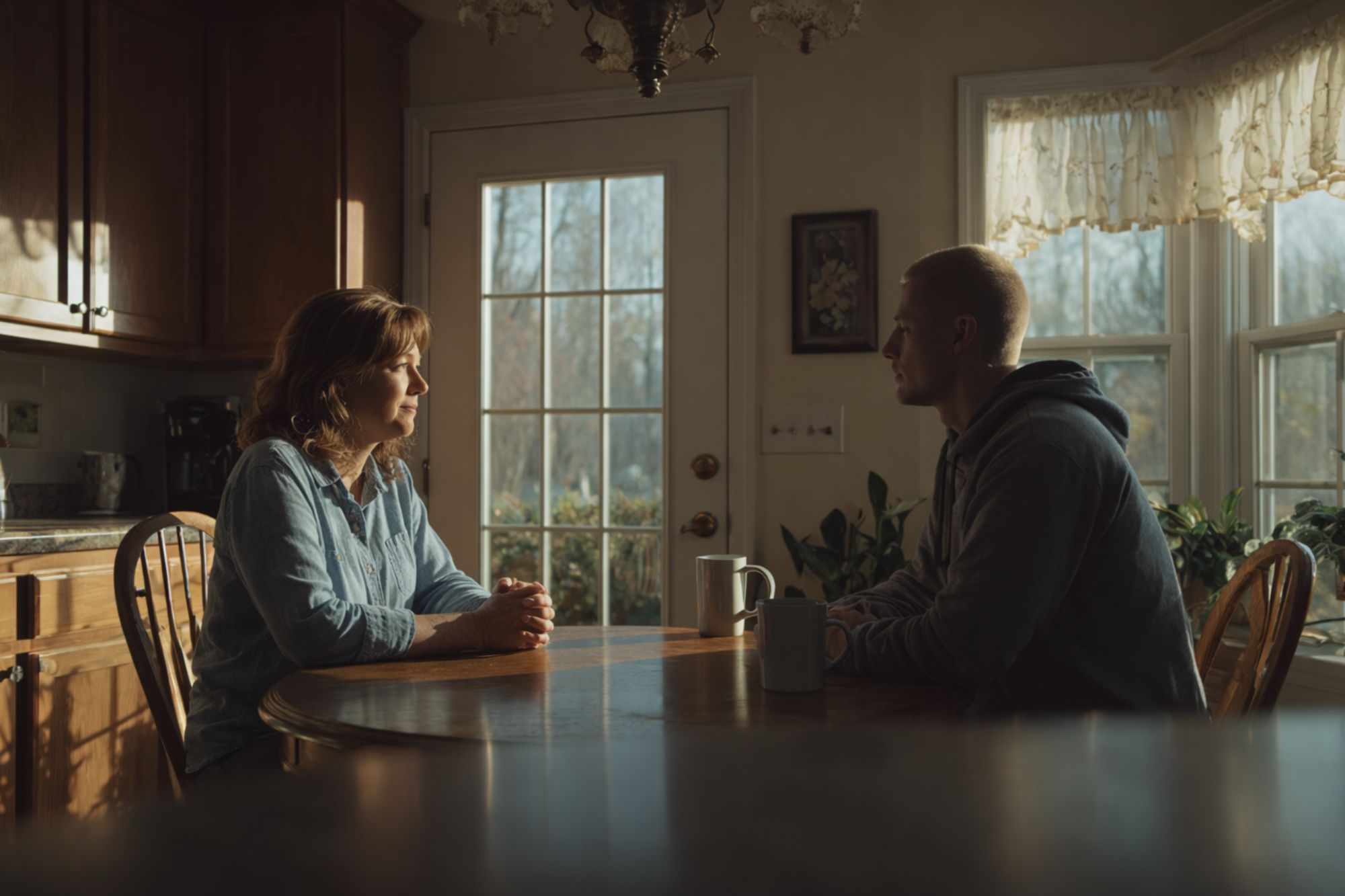
At Kamienna, we are dedicated to helping families heal with personalized care, professional guidance, and a compassionate approach. If your family is facing the challenges of addiction, reaching out for help can be the first step toward rebuilding your life together and finding lasting hope.

“When Addiction Affects Everyone: How Families Can Heal and Rebuild Together

Addiction rarely exists in isolation. It reaches into every corner of a family’s life, shaping emotions, relationships, and daily routines. When a loved one struggles with substance use, the entire family feels the impact. Yet even in the midst of stress and uncertainty, healing is possible. With the right support, families can rebuild trust, restore connection, and move forward together. At Kamienna, compassionate, individualized care helps both individuals and families find a path toward lasting recovery and renewed strength.

Understanding How Addiction Impacts the Whole Family

Addiction affects not only the person using substances but also those closest to them. Families often experience emotional strain, communication breakdowns, and a loss of stability. Over time, these challenges can create distance and confusion within relationships.

Emotional and Relational Strain

Loved ones may feel anger, fear, guilt, or helplessness. These emotions are natural, yet they can lead to conflict or withdrawal if not addressed. Children may feel uncertain or anxious, while partners may struggle with trust. Recognizing these effects is the first step toward healing.

Disrupted Communication Patterns

Addiction often changes how families communicate. Conversations may become tense, avoided, or filled with misunderstanding. Without open dialogue, it becomes difficult to rebuild connection and trust.

Why Family Involvement Is Essential in Recovery

Recovery is not just an individual process. It becomes more effective when families are involved in a meaningful and supportive way. A strong support system can improve outcomes and create a more stable foundation for long-term recovery.

Building a Supportive Environment

Families who learn to communicate with empathy and set healthy boundaries create an environment where recovery can thrive. This support helps individuals stay engaged in treatment and build confidence in their progress.

Encouraging Accountability and Growth

Family involvement encourages accountability in a positive way. When support is consistent and respectful, it helps reinforce healthy behaviors and long-term change.

Practical Ways Families Can Heal and Rebuild Together

Healing together requires intention, patience, and the right tools. Families can take practical steps to support recovery and rebuild stronger relationships.

1. Participate in Family Therapy

Family therapy offers a structured space to address challenges and rebuild trust. Guided by experienced professionals, families can explore the impact of addiction, improve communication, and develop healthier relationship patterns.

2. Learn About Addiction and Mental Health

Education is essential for understanding addiction as a complex medical and psychological condition. When families understand triggers, relapse risks, and emotional challenges, they are better equipped to respond with compassion and support.

3. Establish Healthy Boundaries

Boundaries create clarity and stability. They help define what is acceptable and prevent behaviors that may enable substance use. Healthy boundaries protect both the individual in recovery and the family as a whole.

4. Focus on Consistent Communication

Open and respectful communication is key to rebuilding trust. Listening actively and expressing concerns calmly can reduce conflict and strengthen emotional connections over time.

5. Embrace Holistic and Faith-Based Healing

Healing involves more than stopping substance use. Emotional and spiritual well-being also play important roles. Kamienna incorporates holistic and faith-based approaches such as mindfulness, wellness practices, and spiritual guidance to support deeper healing.

The Role of Inpatient and Outpatient Care

Kamienna offers both inpatient and outpatient programs to meet individuals and families where they are. Inpatient care provides structured, intensive support during early recovery, while outpatient care allows families to continue building healthy routines and communication skills in daily life. This flexibility ensures that support remains consistent throughout the recovery journey.

Moving Forward as a Family

Rebuilding after addiction takes time. Progress may feel slow at times, but each step forward matters. As families practice healthier communication, set boundaries, and support one another, trust begins to return. Over time, what once felt broken can become a source of strength.

Conclusion

When addiction affects everyone, healing must involve everyone. Families have the ability to move from disconnection to unity through compassion, education, and structured support. Recovery is not only about sobriety. It is about restoring relationships, rebuilding trust, and creating a healthier future together.

At Kamienna, we are dedicated to helping families heal with personalized care, professional guidance, and a compassionate approach. If your family is facing the challenges of addiction, reaching out for help can be the first step toward rebuilding your life together and finding lasting hope.